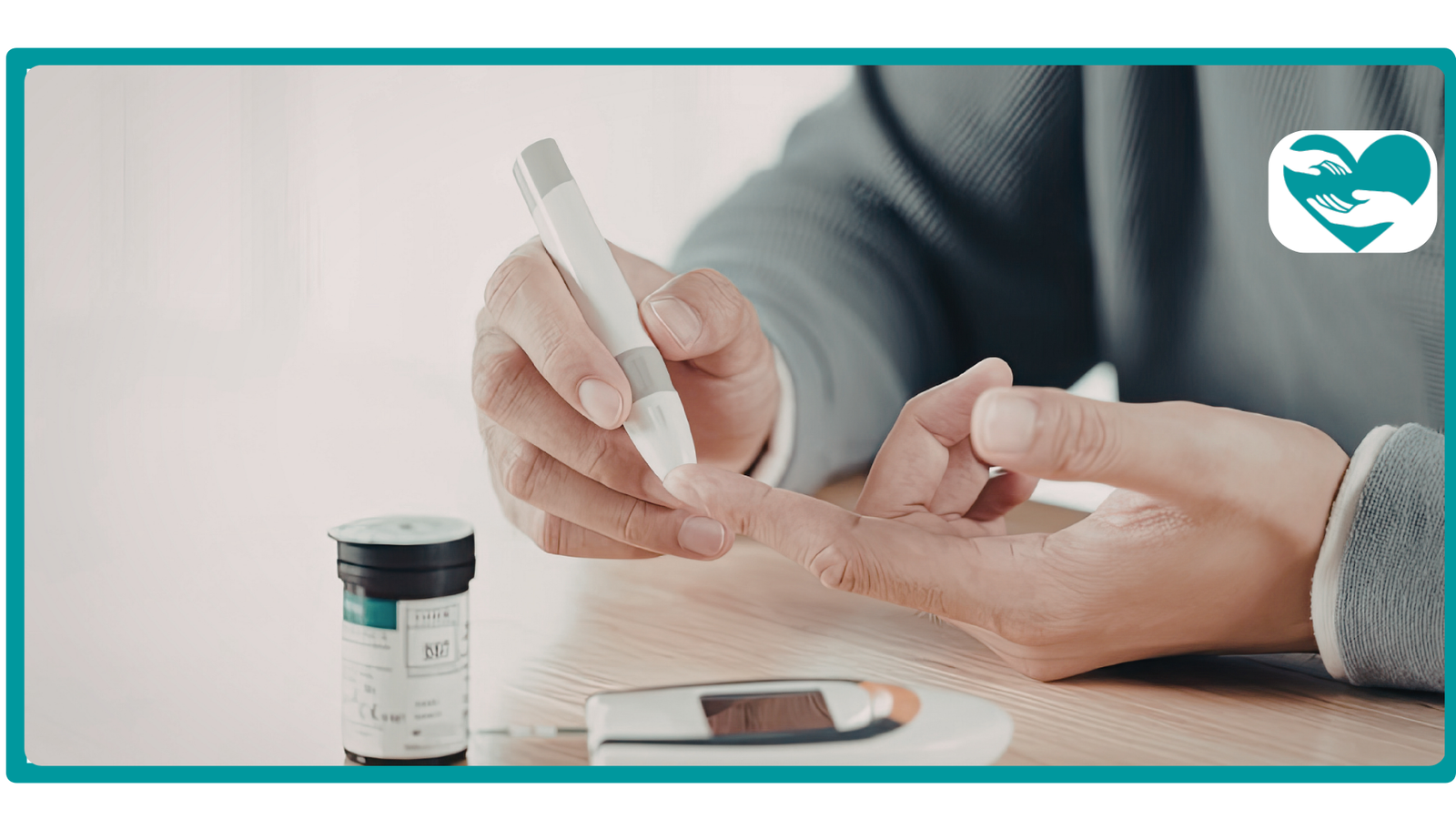


It is very scary to see more hair than usual in your shower drain or on your hairbrush. For many women managing their health, this can cause a lot of worry and stress. If you are taking medicine for blood sugar, you might wonder, does metformin cause hair loss in women?
Life can be very busy for women living in modern urban lofts or cozy suburban townhomes. You might be rushing through your morning routine before heading to the local city center for work. Or perhaps you are enjoying a long weekend walk through the community’s historic park.
Our local weather can also be hard on your hair, especially with high humidity during the summer months. In the winter, the dry air inside our ranch-style homes can make hair feel brittle and weak. Dealing with health changes on top of this can feel like too much to handle. To learn more about managing your health journey, you can check out our diabetes care blog.
Understanding the Medical Connection: Myth vs. Reality
Most doctors will tell you that Metformin does not usually cause hair loss by itself. In fact, hair loss is not listed as a common side effect on the medicine’s official label. So, why do so many women notice their hair getting thinner after they start taking it?
Often, the real reason is the health condition that the medicine is trying to treat. Conditions like Type 2 Diabetes or PCOS cause big changes in your hormones. These hormonal shifts are much more likely to be the reason for thinning hair.
When your body is stressed by high sugar levels, it puts all its energy into staying safe. It stops sending nutrients to things it thinks are “extra,” like your hair and nails. This is why it is important to look at the whole picture of your health.
Common reasons for hair thinning include:
- Hormonal imbalances, especially high androgen levels.
- The physical stress that high glucose puts on your body.
- The adjustment period when you first start a new medication.
- Changes in your diet or sudden weight loss.
Vitamin B12 Deficiency: The Hidden Link
There is one very important scientific link between this medicine and your hair. Scientists have found that taking Metformin for a long time can make it harder for your body to absorb Vitamin B12. This is a very common issue that many people do not know about.
Vitamin B12 is like fuel for your red blood cells. These cells carry oxygen and food to your hair follicles so they can grow strong hair. If you don’t have enough B12, your hair might start to shed or stop growing altogether.
Let me tell you about a patient named Maria who lives in a garden apartment nearby. Maria noticed her hair was thinning after being on her medicine for a year. She was very upset and thought she had to stop her treatment.
After a quick blood test, we found her B12 levels were very low. Once she started taking a simple supplement and eating better, her hair began to grow back thicker than before. It wasn’t the medicine’s fault, but rather a missing nutrient in her body.
PCOS, Insulin Resistance, and Hair Thinning
If you have PCOS, your body might have too much of a hormone called testosterone. This can cause “male-pattern hair loss” where the hair on top of your head gets very thin. Metformin is often used to help fix the insulin issues that cause this hormone problem.
This can be a “double-edged sword” because the medicine is actually trying to help. Sometimes, when your hormones start to balance out, your body goes through a temporary shedding phase. This does not mean the medicine is failing you.
In fact, managing your insulin can eventually lead to better hair growth in the long run. By keeping your sugar steady, your body can finally focus on growing hair again. This is why professional supervision at Healify Medics Metformin is so helpful for finding the right balance.
How to Manage Hair Health While on Metformin
You do not have to choose between your blood sugar and your hair. There are simple steps you can take to keep your hair looking great while staying healthy. It all starts with being proactive and watching your nutrient levels.
First, you should ask your doctor to check your B12 levels with a simple lab test. This should be done at least once a year if you are taking this medicine. If your levels are low, a supplement can make a huge difference very quickly.
Second, make sure your diet is full of the right “hair foods.” Iron, zinc, and protein are the building blocks of a healthy scalp. Eating well is especially important when the excessive heat and humidity of summer make scalp health a priority.
Main Steps for Hair Protection:
- Check your Vitamin B12 levels with a doctor every year.
- Eat foods high in iron, like spinach or lean meats.
- Be gentle with your hair and avoid high-heat styling when possible.
- Stay hydrated to keep your scalp and skin healthy.
The best way to stay safe is to work with a team that understands metabolic health. Consulting with a professional via Healify Medics Metformin is the best way to ensure your dosage isn’t impacting your nutrient levels. Experience our care firsthand with a complimentary initial consultation; the complete medical program is available for a total of $199.
Consulting with a Medical Specialist
Hair loss is a very personal thing, and it can affect your confidence. You should never try to guess why your hair is falling out on your own. There are too many different factors that could be causing the problem.
A medical specialist can look at your blood work and your lifestyle to find the real answer. They can tell if it is your medicine, your vitamins, or just a change in your hormones. Having an expert on your side takes the guesswork out of your health.
If you are worried about changes in your hair or your energy, we are here to help. We focus on treating the whole person, not just a number on a lab report. We encourage you to reach out to our team for a personalized metabolic evaluation today.
When Should You See a Doctor About Hair Loss?
- You see round, smooth patches of hair missing.
- Your scalp feels itchy, painful, or looks red.
- You notice your ponytail is much thinner than it was last month.
- You are losing hair from your eyebrows or eyelashes too.
- You feel very tired or have tingling in your hands and feet.
Conclusion: Taking Control of Your Health and Confidence
Losing hair can feel like you are losing a part of yourself, but there is hope. For most women, the medicine is not the enemy. It is a tool that helps you stay healthy so your body can function the right way.
Remember that B12 levels and hormone balance are the most common links to hair thinning. By living a healthy life in our community, you can manage your diabetes and keep your hair. Just be sure to get your levels checked and eat a balanced diet.
Knowing the facts about whether does metformin cause hair loss in women allows you to focus on effective solutions rather than fear. You deserve to feel confident and healthy every day. Please book your telehealth appointment to discuss hair concerns and diabetes management with us.
Frequently Asked Questions (FAQ)
Can I take biotin with Metformin?
Yes, Biotin is a B-vitamin that is generally safe to take with most diabetes medicines. It is often used to help strengthen hair and nails. However, you should always tell your doctor about any new supplements you start.
Is Metformin-related hair loss reversible?
If the hair loss is caused by a B12 deficiency, it is almost always reversible. Once you fix the vitamin levels, the hair follicles usually start growing again. It just takes a little bit of time and patience.
How long does it take for hair to grow back?
Hair grows very slowly, usually about half an inch per month. You might not see big changes for three to six months after you fix the problem. Consistency is the key to seeing real results.
Authentic and Original Sources:
- National Institutes of Health (NIH): Metformin and Vitamin B12 Deficiency Study
- American Diabetes Association (ADA): https://diabetes.org/