
Did you know that some people with Type 1 diabetes are now taking a pill usually used for Type 2? This is becoming a very popular topic because doctors are learning more about metformin for type 1 diabetes. Many patients find that using this medicine alongside their insulin helps them feel much better.
For a long time, people thought this pill was only for one kind of diabetes. However, the latest metabolic health research shows it might help others too. This is often called an “off-label” use, which means a doctor must watch you very closely.
Using this pill for Type 1 is not something you should do on your own. It requires a lot of care and a professional medical team to keep you safe. Therefore, always talk to an expert before changing how you manage your health.
Can People with Type 1 Diabetes Take Metformin?
The short answer is yes, but it depends on your specific body and needs. People with Type 1 diabetes always need insulin to stay alive because their bodies do not make it. Sometimes, however, their bodies stop listening to the insulin as well as they should.
This problem is called insulin resistance, and it can happen to anyone. When this happens to a person with Type 1, some doctors call it “double diabetes.” It means you have the first type of diabetes, but your body is acting like it has the second type too.
Metformin works by telling your liver to stop making so much extra sugar. This is very helpful because it means you might not need as much insulin from your pump or pens. Consequently, your blood sugar levels might stay much steadier throughout the day and night.
- Different than Type 2: In Type 1, the medicine is a helper, not a replacement for insulin.
- The Liver’s Role: It stops the liver from dumping sugar into your blood while you sleep.
- Breaking Plateaus: It helps when insulin alone is not doing enough to keep your numbers in range.
Potential Benefits of Metformin for T1D Patients
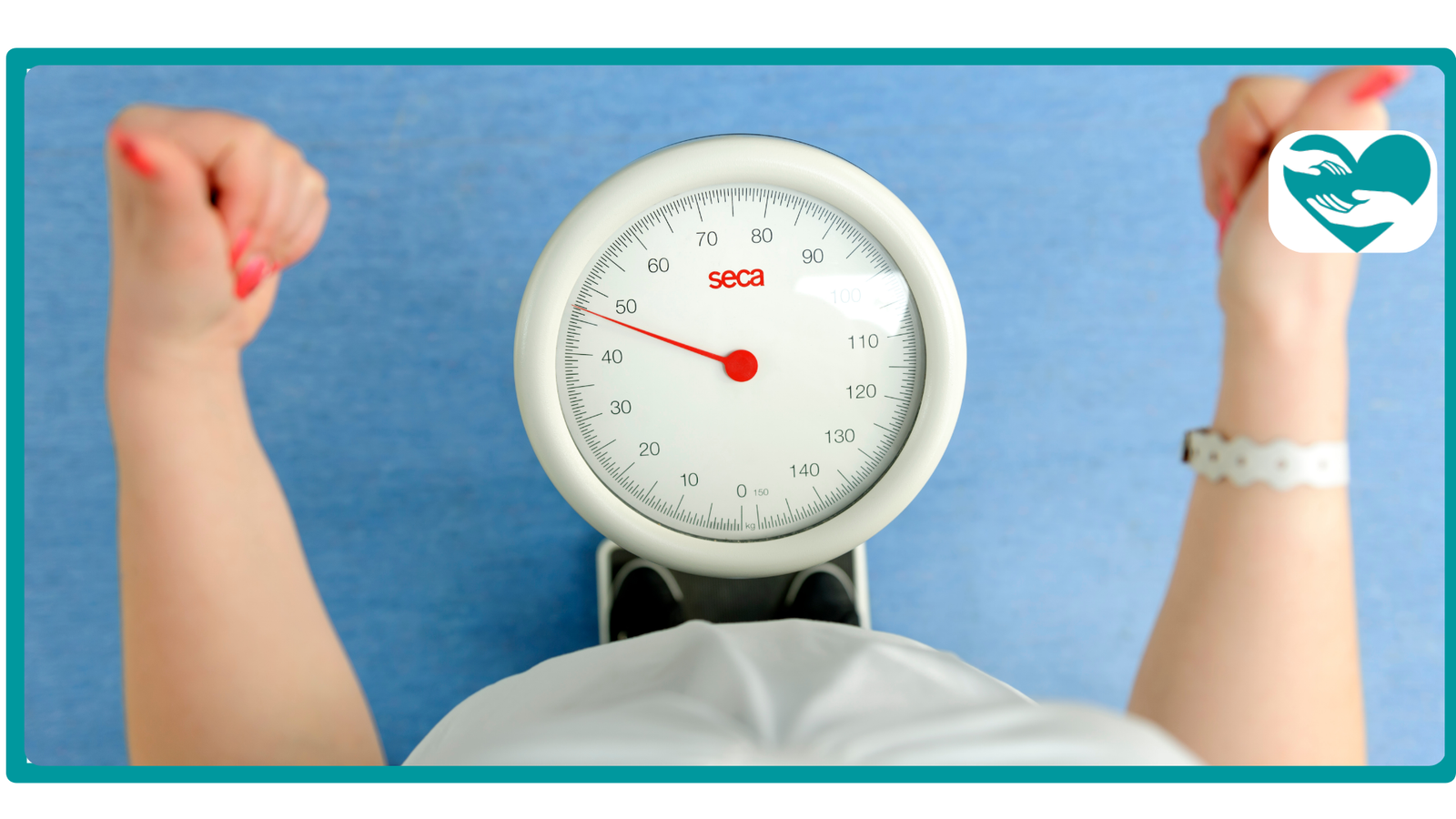
One of the biggest struggles for people with Type 1 is managing their weight. Insulin is a life-saving hormone, but taking a lot of it can lead to weight gain. Many patients feel “stuck” because they eat healthy but still see the scale go up around their midsection.
By adding this medicine, some people find they can use less total insulin each day. This is a big deal because using less insulin often makes it easier to manage your weight. Therefore, it helps people who feel like their current plan is not working perfectly anymore.
It may also help protect your heart and blood vessels over a long period of time. People with diabetes have to be very careful about their heart health as they get older. This extra layer of protection is one reason why more people are asking about this treatment option.
Managing Your Metabolic Health in Atlanta
Living in a busy city like Atlanta brings unique challenges for people with diabetes. For example, staying active on the Atlanta Beltline is a great way to keep your heart healthy. However, the humid Georgia summers can make your blood sugar go up and down very quickly.
The thick, hot air makes it harder for your body to handle stress and exercise. Whether you live in a modern Buckhead high-rise or a traditional craftsman home in Decatur, you need a plan that fits. Managing your health should not feel like a second full-time job that you have to do alone.
Our telehealth services allow you to talk to a doctor without driving through heavy I-85 traffic. You can get expert advice from the comfort of your own living room or office. Begin your health journey with a zero-cost consultation; our full metabolic management program is available for a flat rate of $199.
The Risks and Side Effects of Off-Label Use
Every medicine has things you should watch out for, especially when used in a new way. Some people get an upset stomach or feel a little nauseated when they first start taking this pill. These common tummy issues usually go away after your body gets used to the medicine.
Another thing to watch is your Vitamin B12 levels, which can drop over time. Low B12 can make you feel very tired or give you a tingly feeling in your feet. Your doctor will likely want to check your blood regularly to make sure you stay healthy.
The most important safety rule is to watch out for a problem called euglycemic DKA. This is a rare type of ketoacidosis where your sugar looks normal, but your ketones are too high. Because of this risk, you should speak with our medical team to learn how to monitor yourself correctly.
The Consultation and Prescription Process
Getting started with a new plan is easy when you have the right support. First, you will meet with a provider to talk about your health history and your goals. They will look at your current insulin doses and see if your body is showing signs of resistance.
When you consult with a specialist at Healify Medics Metformin, we look beyond the diagnosis to treat your unique profile. We want to know how you live and what has been hard for you in the past. This helps us create a plan that actually works for your real life.
The best part is that you can do all of this through a simple video call. You don’t have to spend hours in a waiting room or take a whole day off work. If you are ready to get started, you can schedule your clinical assessment right now on our website.
Is Metformin Right for Your Specific Type 1 Journey?
Not every person with Type 1 diabetes needs to add this specific medicine. However, there are some clear signs that it might be a good choice for you. If you check several of the boxes below, it is worth having a conversation with a professional.
- BMI over 27: If you are carrying extra weight that won’t go away with diet and exercise.
- High Insulin Needs: If you take more than 1 unit of insulin for every kilogram you weigh.
- PCOS History: If you are a woman who also deals with Polycystic Ovary Syndrome.
- Metabolic Syndrome: If you have high blood pressure or high cholesterol along with diabetes.
Conclusion
The world of diabetes care is always changing and improving for the better. We now know that metformin for type 1 diabetes can be a very helpful tool for the right people. It helps fight insulin resistance and makes it easier to manage your weight while living a busy life.
Whether you are walking through Piedmont Park or working in Midtown, you deserve to feel your best. Taking control of your metabolic health is a brave and important step for your future. We are here to help you understand every part of your journey with kindness and expert care.
We offer a complimentary initial discussion to see if this path is right for you, with a comprehensive $199 treatment plan available. You do not have to settle for feeling “stuck” with your current numbers. Reach out today, and let’s see how we can help you reach your goals together.
Frequently Asked Questions (FAQ)
Does Metformin replace insulin for Type 1?
No, it absolutely does not replace your insulin. People with Type 1 diabetes must still take insulin every single day to stay safe. This pill is only meant to help the insulin work better, not to do the whole job.
Can it help with T1D-related weight gain?
Yes, many studies show it can help slow down or stop weight gain caused by high insulin doses. By making your body more sensitive, you can often lower your total daily dose. Consequently, this helps many people find a healthier weight over time.
What is the typical dosage for T1D?
The dose is different for everyone and usually starts very small. Your doctor will likely increase it slowly to help your stomach get used to it. Most people end up taking it once or twice a day with their largest meals.
References:
- National Institutes of Health (NIH): Metformin as an adjunct to insulin in Type 1 Diabetes