
When you are using a medicine that comes in a vial with a syringe, figuring out the dose can be confusing. Your doctor might give you instructions in “units,” and you might wonder how much medicine you are actually taking. It is a very common and very important question to ask. You might be wondering, “How many mg is 40 units of Tirzepatide?”
This guide is here to explain why this question is not as simple as it seems. We will help you understand the difference between units and milligrams (mg) and show you why medication safety is so important.
The Critical Difference: “Units” vs. “Milligrams (mg)”
First, let’s learn two very important words: “units” and “milligrams.” They may seem similar, but they mean very different things.
Milligrams (mg) tell you the amount of medicine you are getting. This is the real strength of your dose, like 2.5 mg, 5 mg, or 10 mg. Think of it as the weight of the medicine itself.
Units are a measure of liquid volume on the side of a syringe. This tells you how much liquid you are drawing up. It does not tell you how much medicine is actually in that liquid.
This is the most important thing to remember. The answer to “How many mg is 40 units of Tirzepatide?” completely depends on how much medicine was mixed into the liquid in your specific vial.
The Problem with Compounded Tirzepatide
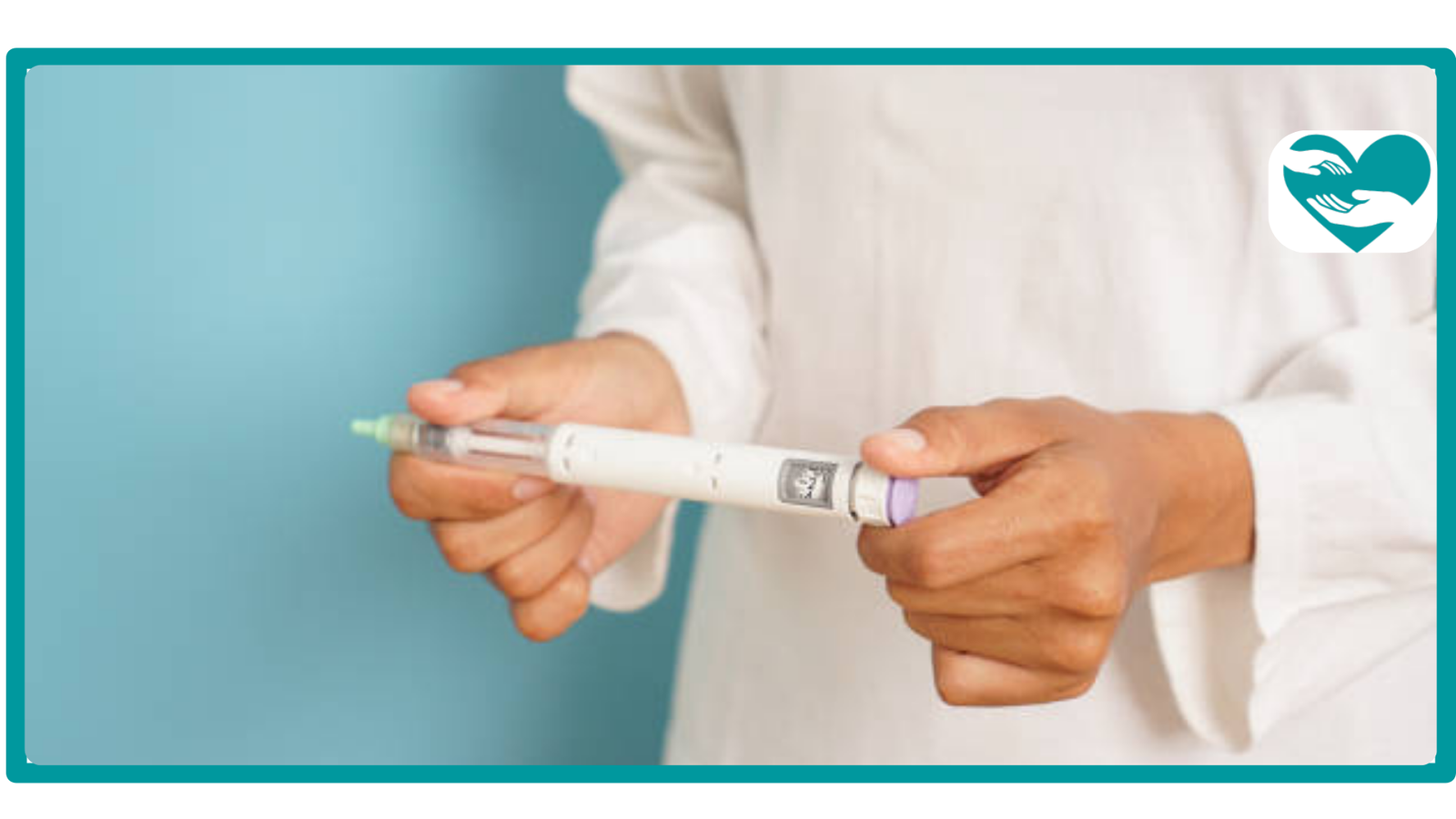
You might be surprised to learn that for many people, the question of “units” never even comes up. This is because FDA-approved Tirzepatide, sold as Zepbound and Mounjaro, comes in easy-to-use, pre-filled pens. Each pen has the exact milligram dose in it, so there is no measuring and no confusion.
So, when people ask about “units,” it almost always means they are using a version of Tirzepatide that comes from a compounding pharmacy. These pharmacies mix the medicine themselves, and they can mix it to be strong or weak.
For example, let’s say your dose is 10 mg.
If you have a vial with a weak mix, you might need to draw 40 units of liquid to get your 10 mg of medicine.
But if you have a vial with a strong mix, you might only need to draw 20 units of liquid to get that same 10 mg.
This is where it can get dangerous. If you don’t know the exact strength, or “concentration,” of your vial, the number “40 units” doesn’t mean anything. Taking the wrong amount could lead to serious health problems. The FDA has warned about the risks that can come with using these kinds of drugs.
Why FDA-Approved Dosing Matters
The risk of confusion is exactly why doctors and pharmacists strongly recommend using standardized, FDA-approved medications whenever possible. Your safety should always come first.
This focus on safety is a core part of programs like Healify Medics. They make sure their patients get safe and effective treatment by prescribing FDA-approved medicines like Zepbound and Mounjaro.
When you get a Tirzepatide prescription through their service, it comes in a pre-filled pen. This means you know you are getting the exact, correct dose that your doctor prescribed, every single time. Their doctor-led program is 100% online in all 50 states. It includes a free consultation and clear pricing (299−399 for the first month, then $299 per month), which takes all the guesswork out of your treatment and puts your health first.
For a safe and reliable path to weight loss, you can start by talking to a licensed doctor through their patient portal.
What to Do if Your Prescription Is in “Units”
If your medicine comes in a vial and your instructions are in “units,” it is very important that you are 100% sure about your dose.
Here is what you should do:
- Step 1: Stop and Verify. If you are even a little bit unsure about your dose, do not take the injection. It is always better to be safe.
- Step 2: Look at the Vial. The strength of the medicine, called the concentration, should be printed on the vial’s label. It will look something like “10 mg/mL.”
- Step 3: Contact Your Doctor or Pharmacy Immediately. This is the most important step. Call the doctor who prescribed the medicine or the pharmacy that gave it to you. Ask them to confirm for you in writing, “How many mg is 40 units of Tirzepatide?” based on the exact vial they gave you. Do not try to do the math yourself.
If you have any doubts at all, it’s always best to contact a trusted medical professional to get a clear answer.
Conclusion: Prioritize Safety Over Speculation
As we have learned, “units” and “milligrams” are not the same thing. How many milligrams you get in a certain number of units can change from vial to vial.
The question, “How many mg is 40 units of Tirzepatide?”, shows a very serious safety concern that comes with using medicines that are not standardized.
Your health is too important to guess about. Always demand to know your dose in milligrams. Most importantly, choose a healthcare provider who makes your safety the top priority by using reliable, FDA-approved treatments.