
If you are taking Tirzepatide, you might be wondering about the future. Maybe you have reached your goal weight, or maybe you are just curious about what comes next. Thinking about the next step is a very normal part of the process. It leads to a very important question: What happens when you stop taking Tirzepatide?
Let’s walk through the changes you can expect in your body and how to handle them. We will explain everything in a simple, easy-to-understand way.
Why Tirzepatide is a Long-Term Treatment
It is helpful to think of Tirzepatide as a long-term helper. It isn’t like an antibiotic that you take for a week to clear up an infection. Instead, it’s a medicine that helps you manage a long-term, or chronic, condition like obesity.
Tirzepatide works by sending special signals to your brain and stomach. These signals help control your hunger and make you feel full. When you stop taking the medicine, those helpful signals also stop. It’s like flipping a switch off. Your body’s natural hunger signals, which the medicine was keeping quiet, will slowly start to turn back on.
The Most Common Changes When You Stop Tirzepatide
When the medicine is no longer in your system, your body will start to change. Here are the most common things you can expect.
Your Appetite and Hunger Will Return
This is usually the very first thing people notice. The medicine was great at quieting down all the “food noise” in your head. When you stop taking it, that noise will likely get louder again.
You will probably start to feel hungrier more often. The cravings you used to have for certain foods may also come back. This is just your body returning to how it was before.
You Will Likely Regain Some Weight
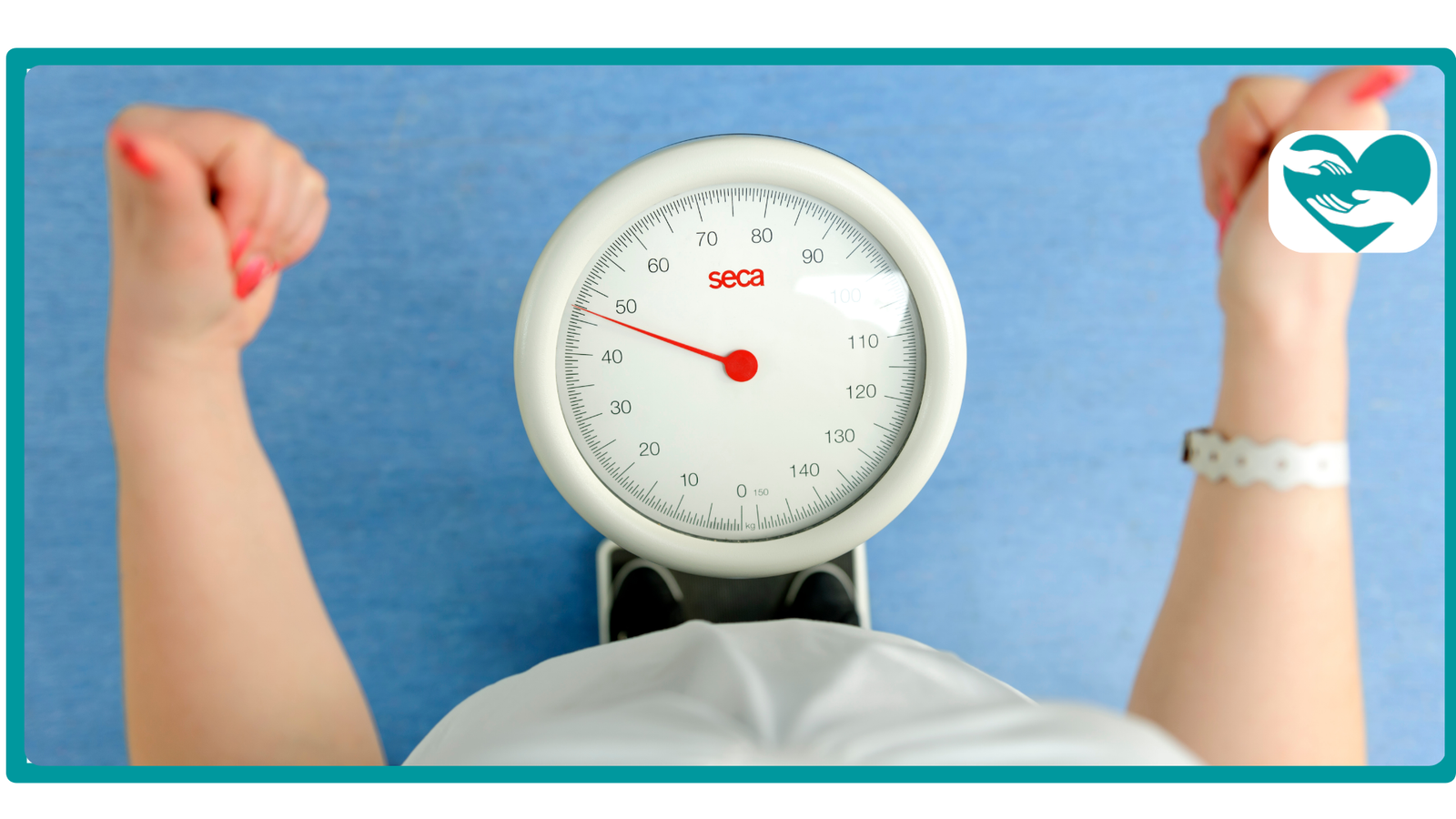
This is a really important point, and it’s nothing to be ashamed of. Because your appetite comes back, it is very common for people to regain some of the weight they worked so hard to lose.
In fact, big medical studies have shown this very clearly. One famous study found that people who stopped taking Tirzepatide regained a large amount of their lost weight within a year. Knowing this is the clearest answer to what happens when you stop taking Tirzepatide? It helps you prepare for the change.
Is There a “Rebound Effect” from Stopping Tirzepatide?
Some people worry about a “rebound effect,” where they might gain back even more weight than they lost. You can relax, because that’s not how this medicine works. “Rebound” isn’t the right word.
The medicine doesn’t make your body’s situation worse than it was before you started. It simply stops providing its helpful benefits. Your body doesn’t get addicted to it; it just gets used to the help. When the help is gone, the old patterns of hunger can return.
Creating a Long-Term Success Plan
Because stopping this medication causes real changes, it’s a decision you should always make with a doctor. Creating a plan for what to do next is the key to long-term success.
Having a supportive medical team on your side is crucial. A great healthcare partner like Healify Medics provides the ongoing support you need for every step of your journey. Their program is built to help you find lasting health, not just a quick fix.
They make it easy to talk with licensed U.S. doctors who can help you manage your treatment plan safely. Whether you’re just starting their Tirzepatide program or thinking about the future, their team is there for you. With a free consultation and medication delivered right to your home, they give you the expert partnership you need.
Frequently Asked Questions (FAQs)
Thinking ahead is smart. Here are answers to a few common questions.
1.Should I taper off Tirzepatide slowly?
That is an excellent question to ask your doctor. Some doctors might suggest lowering your dose slowly over time to help your body get used to the change. Others might say it is fine to stop all at once. Always follow the specific advice your own provider gives you.
2.How can I avoid regaining weight after stopping?
The best way to keep the weight off is to have a strong plan. This means you must continue the healthy eating and exercise habits you learned while on the medicine.
Making sure you eat lots of protein, move your body regularly, and pay attention to your hunger cues will become more important than ever.
3.What if I start regaining weight and want to start again?
This is a perfectly normal concern and a good option to talk about with your doctor. If you find the weight coming back and it’s making you worried about your health, you can always discuss restarting the medication. For questions like these, you can easily contact a medical team to get advice.
Your Health Journey Continues
To sum it all up, Tirzepatide is a wonderful tool to help manage a chronic health condition. When that tool is no longer used, the symptoms, like feeling hungry and gaining weight, are very likely to come back.
So, what happens when you stop taking Tirzepatide? Your body begins to return to its previous state. The best way to handle this is by building strong, healthy habits that can last a lifetime and by working with a doctor to create a smart plan for your future.
Sources:
- SURMOUNT-4 Clinical Trial (Weight Regain Study – from JAMA):
https://jamanetwork.com/journals/jama/fullarticle/2812936 - Obesity as a Chronic Disease (from the Obesity Medicine Association):
https://obesitymedicine.org/what-is-obesity/ - National Institute of Health (NIH) – “Treatment for Overweight & Obesity”:
https://www.niddk.nih.gov/health-information/weight-management/adult-overweight-obesity/treatment