

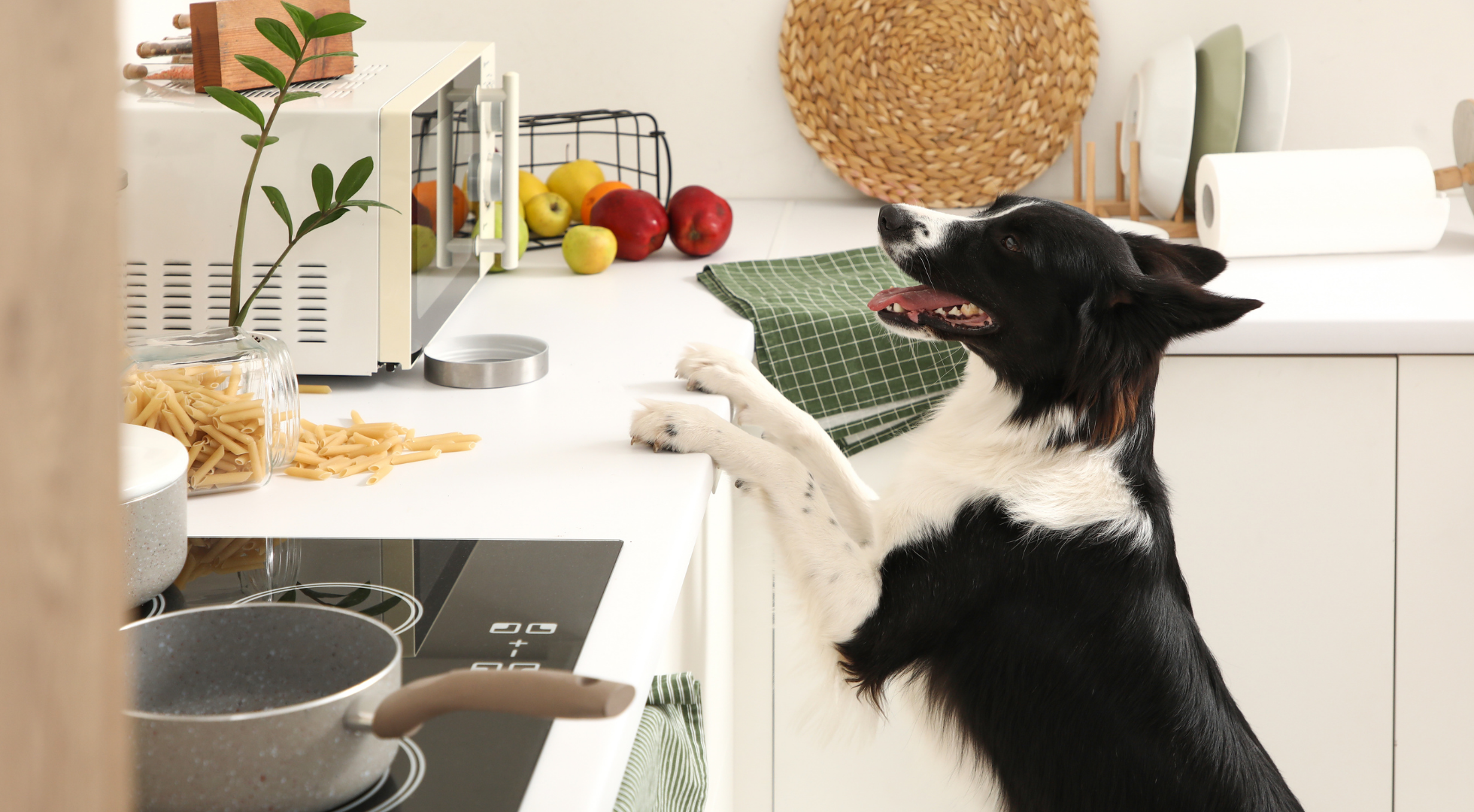
It happens quickly. Your back is turned for just a moment, and suddenly your dog has stolen the bag of licorice from the coffee table. A crumpled, chewed-up wrapper lies on the floor, and now you’re not sure whether to keep a close watch or rush them to the veterinarian’s office.
In reality, the story is a bit more complicated than most news headlines would lead you to believe. Licorice is indeed a food your dog shouldn’t be eating, but the risks associated with consumption depend on the type of licorice consumed, the quantity, and the size of your dog. This guide has you covered for everything you need to know about the problem.
Bottom line: No, dogs shouldn’t eat licorice. An occasional bite of regular licorice candy doesn’t require an emergency trip to the vet or poison control helpline, but licorice root, high quantities, small-sized dogs, or any products with xylitol should immediately be reported to your veterinarian or animal poison control.
Is Licorice Safe for Dogs?
The consumption of licorice is never advisable for dogs; at best it is a non-nutritional sugar snack, while at worst it could be a source of ingredients that might harm your dog.
There are actually three kinds of foods referred to as licorice that have differing levels of danger:
- Black licorice candy. Many black licorice candies manufactured in the United States are actually anise-flavored licorice candy rather than true licorice extract, although some do include licorice extract.
- True licorice root products. This group contains all of the products containing the higher amounts of glycyrrhizin, which is considered the most dangerous ingredient.
- Red licorice and licorice-flavored candies such as Twizzlers and Red Vines. While they do not contain any licorice extract, they are still high in sugar content and unnecessary ingredients for your dog.
It is better to treat all of these foods as toxic to avoid possible danger.
Why Can Licorice Be Harmful to Dogs?
Glycyrrhizin
Pure licorice root, on the other hand, has glycyrrhizin, a chemical that may influence the body’s potassium and sodium levels. In sufficient quantities, it will increase one’s blood pressure, decrease potassium levels, cause water retention, and muscle weakening or abnormal heartbeats.
The important phrase here is “sufficient quantity”. The smaller the amount, the less dangerous the risk. While commercial candies are usually less dangerous, concentrated licorice root, supplements, and large quantities are more dangerous. Smaller dogs reach the poisonous level faster than larger ones.
Sugar and other ingredients
Licorice sweets are extremely rich in sugar and corn syrup. Even without any poison, such a large quantity of sugar may lead to vomiting, diarrhea, and stomach pain. Licorice sweets also have wheat flour, artificial flavoring agents, and anise.
Xylitol: the biggest hidden danger
Sometimes some sugar-free licorice and confectionery sweets have xylitol – a very dangerous poison for dogs. Just a little bit of this substance may result in severe hypoglycemia and even liver damage. If the food contains xylitol, consider it a threat irrespective of the amount eaten.
Licorice Products to Watch For Around the House
Licorice doesn’t only show up in candy dishes. Because it’s used as a flavoring and a herbal ingredient, it can hide in products you might not think twice about:
- Licorice root supplements and herbal capsules
- Herbal teas and tea bags marketed for digestion or sore throats
- Throat lozenges and cough drops
- Traditional or imported licorice, including salted varieties
- Some chewing gum, mints and baked goods
- Licorice-flavored jelly beans and mixed candy bags
If you keep herbal remedies or supplements in a purse or on a nightstand, store them where your dog can’t reach. Concentrated products are more worrying than candy, because a small amount can pack a lot more glycyrrhizin.
How Much Licorice Is Dangerous?

There’s no exact “safe” or “toxic” number that works for every dog. The risk depends on:
- The type of licorice. Real root extract and supplements are riskier than flavored candy.
- The amount eaten. One small piece is very different from a whole bag.
- Your dog’s size. A Chihuahua is at much greater risk than a Labrador from the same amount.
- Repeated exposure. Regular snacking can add up over time.
- Your dog’s health. Dogs with heart, kidney, or blood pressure problems are more vulnerable.
- Added ingredients. Xylitol changes everything.
This is why it’s smart to call your vet with the product name, the amount, and your dog’s weight instead of guessing.
Common Myths About Dogs and Licorice
With so much conflicting advice online, a few myths come up again and again:
- Myth: Black licorice is always poisonous. Not necessarily. Many U.S. candies use anise flavoring, and a small amount is often low risk. But it can’t be assumed, and large amounts are still a concern.
- Myth: Red licorice is harmless. It doesn’t contain licorice root, but it’s still sugary, can upset digestion, and may contain xylitol if it’s sugar-free.
- Myth: If my dog seems fine, there’s nothing to worry about. Electrolyte changes can develop over hours, so watching your dog closely matters.
- Myth: Licorice root is a healthy supplement for dogs. Never give licorice root products to your dog unless your vet has specifically recommended them.
Signs Your Dog May Have a Problem After Eating Licorice
Watch for these symptoms over the next day or so:
- Vomiting or diarrhea
- Loss of appetite or an upset, bloated belly
- Unusual tiredness or lethargy
- Weakness, wobbliness, or trembling
- Increased thirst and urination
- Swelling or fluid retention
- Fast or irregular heartbeat
Electrolyte problems can build over hours, so don’t assume your dog is fine just because they seem normal right away. If xylitol is involved, signs like vomiting, stumbling, weakness, or seizures can appear quickly and need emergency care.
What to Do If Your Dog Eats Licorice
- Take away any candy left behind and prevent your dog from eating any more of it.
- Look on the package for “licorice extract,” “licorice root,” and, most importantly, “xylitol.” Save the wrapper to show the vet.
- Estimate the quantity ingested and know the weight of your dog.
- Contact your vet. If it is late at night, call an emergency clinic or animal poison center, such as the ASPCA Animal Poison Control Center at 888-426-4435 or the Pet Poison Helpline at 855-764-7661. Consultation fees may be required.
- Do not induce vomiting unless your vet tells you to do so; it may be dangerous under certain circumstances.
- Keep a close watch on the dog for any signs of toxicity and follow the directions of your vet, who may require a visit or testing.
Take your dog to the vet immediately if the candy had xylitol, a significant amount was ingested, the dog is small, or if you notice any signs of problems.
What Your Vet May Do
It may help to understand what to expect during your visit to the clinic. Depending on how much your dog consumed and at what time, the veterinarian may need to know the packaging of the product, your dog’s weight, examine your dog, measure his blood pressure and heart rate, and perform blood tests to determine the level of electrolytes, such as potassium and sodium. In case of severe cases of poisoning, the doctor may advise on limiting the absorption process, but in severe cases, your dog may be hospitalized for fluid replacement and monitoring. The treatment depends on your specific case; that is why it is better to call your vet clinic ahead of time.
Is Red Licorice Safer for Dogs?
In most cases, red licorice does not include licorice root; therefore, your dog won’t face glycyrrhizin danger. However, it doesn’t mean that you should offer this sweet treat to your dog because it includes lots of sugar, which can cause stomach problems to your pet, and some sugar-free variants may contain xylitol.
Safer Treat Ideas for Dogs
If your dog loves sweet snacks, these are far better choices (in moderation, and check with your vet about your dog’s needs):
- Blueberries
- Seedless watermelon (no rind)
- Apple slices (no seeds or core)
- Carrot sticks
- Dog-safe treats made for their size and diet
Some fruits and treats are unsafe for dogs, so look up any new food before sharing it.
How to Keep Your Dog Safe From Candy
- Store candy, gum, and baked goods in closed cabinets or high shelves.
- Keep purses, backpacks, and grocery bags out of reach.
- Use trash cans with secure lids.
- Remind guests and children not to share human snacks.
- Be extra careful around holidays like Halloween and Christmas, when candy is everywhere.
- Save your vet’s number and a 24-hour emergency clinic or poison helpline in your phone.
Protecting Your Support Animal’s Health
For many people, a dog is much more than a pet. If you rely on an emotional support animal (ESA) or a trained psychiatric service dog, their health and safety are part of your own well-being. Knowing what to do in a food emergency is part of being a prepared, caring owner.
If you’re wondering whether your dog could qualify as an ESA or psychiatric service dog, HealifyMedics connects you with licensed mental health professionals in your state for a genuine evaluation, and approval is always up to the clinician. Check our pricing page, read our guides on getting a psychiatric service dog in California or New York, or start your evaluation when you’re ready.
Final Thoughts
Licorice isn’t an ideal snack for canines, but one tiny bit of the confectionery isn’t necessarily something to freak out about. What does matter is what kind it is, how much there was, the size of the dog, and most importantly, whether it contained any xylitol. Better safe than sorry; don’t hesitate to contact your veterinarian.
Frequently Asked Questions
1. Can dogs eat licorice?
No, licorice isn’t a safe treat for dogs. Small amounts of candy are often low risk, but licorice root, large amounts, and sugar-free products with xylitol can be dangerous. Call your vet if your dog eats any.
2. Is black licorice toxic to dogs?
Real licorice root contains glycyrrhizin, which can raise blood pressure and lower potassium in large amounts. Many U.S. black licorice candies use anise instead, but labels vary. Treat it as unsafe and ask your vet.
3. What happens if my dog eats a piece of licorice?
A small piece may cause no problems or just a mild stomach upset. Watch for vomiting, weakness, tiredness, or increased thirst, and call your vet if you notice symptoms or if your dog is small.
4. Is red licorice safe for dogs?
It usually doesn’t contain licorice root, but it’s still full of sugar and artificial ingredients that can upset your dog’s stomach. Some sugar-free versions may contain xylitol, which is an emergency, so check the label.
5. When should I call the vet after my dog eats licorice?
Contact us straight away if the food contains xylitol, if your pet ingested it in large amounts, if your dog is small, or if it is licorice root or a dietary supplement. Contact us if your dog experiences symptoms like vomiting or weakness.
6. Who can I call if my dog eats something toxic?
Reach out to your vet or an emergency animal hospital. You can also contact the ASPCA Animal Poison Control Center at 888-426-4435 or the Pet Poison Helpline at 855-764-7661.