
You return home after a walk, and you see that your dog is incessantly licking his paw. After a closer inspection, you find that the pad has a swollen area, which seems to be soft or even raw in appearance, possibly a blister. Your first response is likely, “What did I do wrong?” and second, “What should I do now?”
There is no need to be anxious. Blisters on a dog’s paws are fairly common and frequently are preventable. Here you will learn about the reasons behind paw pad blisters, first aid treatment, the importance of taking your dog to the vet, and ways to keep his paws protected all year round.
Briefly, paw blisters in dogs are usually caused by heat, chemical exposure, or friction. You should cool down the paw using room-temperature water, prevent your dog from licking the affected area, do not pop the blister, and contact your vet. Blisters could signal a deep burn.
What Do Dog Paw Blisters Look Like?
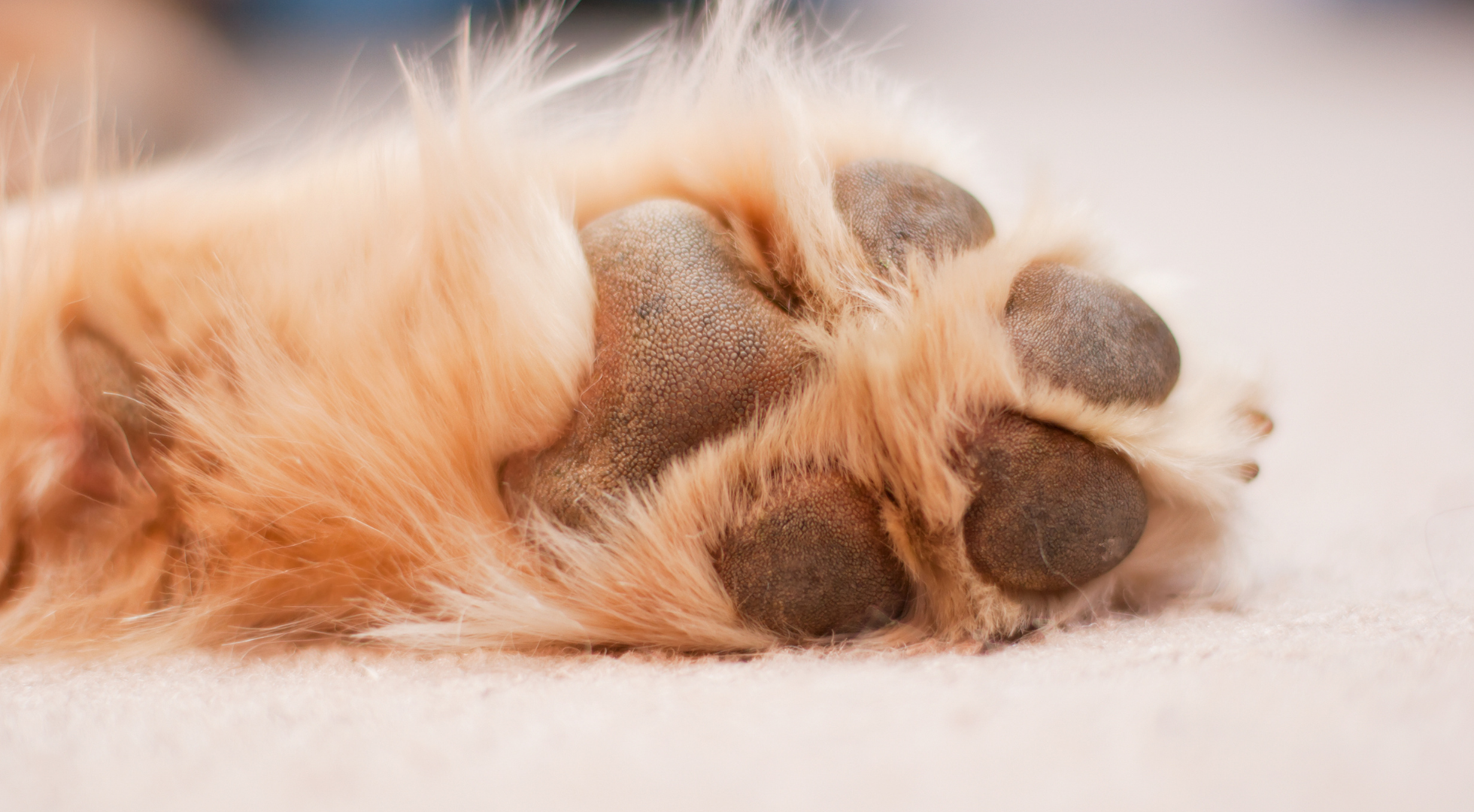
A paw pad is made up of hard skin, so a blister does not necessarily have the appearance of the fluid-filled bubble that you see on a human heel. The symptoms of a blister on your dog may include:
- Swelling and tenderness in the pad
- A pad that appears to be loose, peeling, or detaching from the underlying tissue
- Red, pink, discolored, or white spots
- A raw and moist wound where the blister has popped
Behavioral changes can also tell a lot. Some common behaviors in a dog with a blister include limping, reluctance to move, licking or chewing his foot, whimpering, and moving his foot when it is touched. Burns may also become more severe hours after the burn happened.
Common Causes of Paw Blisters in Dogs
1. Hot pavement burns
This is the most common reason, particularly in summer. The ground, whether made of asphalt, concrete, sand, metal, or even synthetic grass, heats up quickly and may be much hotter than the surrounding air. During a hot day, asphalt can get to temperatures hot enough to hurt your dog’s paws in just one minute.
Dogs tend to continue walking even when in pain, so you might not see any signs of it at first.
2. Chemical burns
De-icing products, road salts, lawn fertilizers, pesticides, pool chemicals, and powerful floor cleaners may irritate or burn your dog’s paws. Dogs tend to lick their paws after that, causing additional irritation in the stomach along with external burning and irritation.
3. Friction and rough terrain
Dogs accustomed to walking on grass and moving quickly on hard surfaces for about an hour will irritate their pads by stepping on rough surfaces like concrete, sharp rocks, treadmills, or courts.
4. Medical conditions
In less common cases, blistering, crust formation, or sores on several pads may be a symptom of some illness or disease in your pet, including autoimmune disease of the skin called pemphigus foliaceus, allergies, infections, or nutritional issues. If blisters are recurrent, affect several pads, or come with skin diseases on other parts of the body, you should take your pet to a veterinarian.
First Aid for a Dog Paw Blister
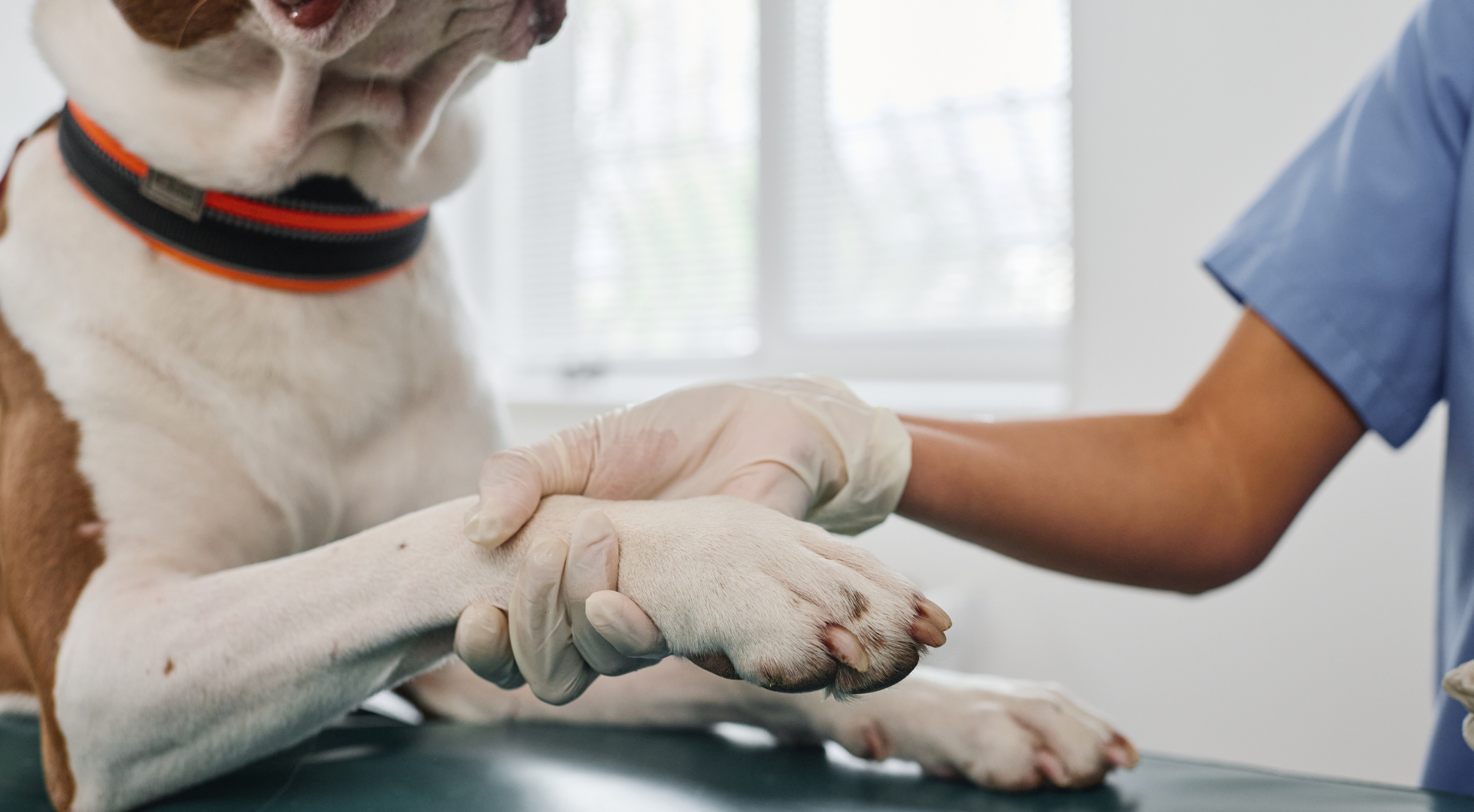
In case of suspected burns or blisters, take the following steps while waiting for veterinary consultation:
- Move your dog from the surface causing burns or exposure to chemical agents into a cool grass or clean, cool floor area.
- Cool the paw. Rinsing with cool or warm running water for 5 to 10 minutes is good enough to cleanse the affected paw. Do not use ice or very cold water as it might worsen the condition.
- Do not try to open or peel the blister. An intact blister is a protective mechanism and serves as a natural bandage for injured tissues.
- Pat your dog’s paw dry with a clean towel, but do not rub.
- Prevent licking. It slows down the process of healing and increases the risk of infection. You may use a special collar or just put a clean sock or bandage.
- Rest your dog. Limit your walks, choose softer and cleaner ground, or simply carry your dog outdoors for defecation.
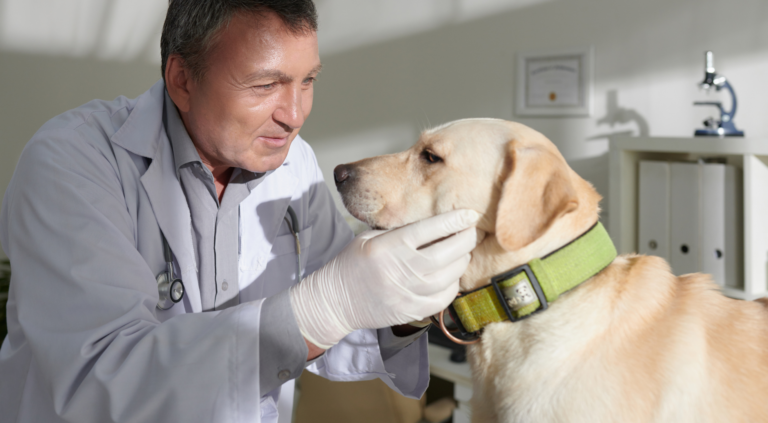
- Consult your veterinarian. Explain what you think is the cause of this condition and describe its symptoms.
Be careful with creams and ointments. A thin layer of plain antibiotic ointment is sometimes used on small, ruptured spots, but check with your vet first, since the wrong product can irritate the area or get licked off. Our guide to antibiotic ointment for dogs explains what to look for and what to avoid.
When to See a Vet
This means that their recovery time will be long, and they will easily get an infection from their blisters. If the blister indicates a deeper burn than initially, it will be prudent to consult the veterinarian regarding the same. You need to do this if:
- The blister is big, open, or peeling
- The paw pad is black, white, or severely red, or lacking tissues
- Several paws are affected
- Your pet is unable to walk on the paw
- There is swelling, discharge, smell, or redness
- Your pet shows signs of severe pain, trembling, or loss of appetite
- You do not know what kind of chemical caused the blister
- The blisters recur or appear along with other skin problems
- The foot does not get better within a couple of days
If your dog was also out in the heat and is panting heavily, drooling, weak, vomiting, or has very red gums, that may be heatstroke. That is an emergency, so go to a vet immediately.
Your vet can check how deep the injury is, treat pain, clean the area, and prescribe medication if it is needed. Please don’t give your dog human pain relievers, since many are dangerous for dogs.
How Long Do Paw Blisters Take to Heal?
Mild surface irritation may settle within a week or two with rest and protection. Deeper burns or infected blisters can take several weeks, because paw pads are hard to keep still and clean. Healing time depends on the cause and the severity, so follow your vet’s guidance on bandage changes and follow-ups.
How to Prevent Paw Blisters
Most paw injuries can be avoided with a few simple habits:
- Do the hand test. Press the back of your hand flat on the pavement for at least 5 to 7 seconds. If it’s too hot for you, it’s too hot for your dog.
- Walk at cooler times. Early morning and late evening are safer in summer. Choose grass, dirt, or shaded paths when possible.
- Watch out for artificial turf, sand, metal, and dark surfaces. They can get hotter than regular pavement.
- Rinse paws after walks in winter or after contact with chemicals, pools, or lawn treatments.
- Try dog boots in extreme heat, ice melt season, or on rough trails, once your dog is comfortable wearing them.
- Build up gradually. Increase running or hiking time slowly so pads can toughen up.
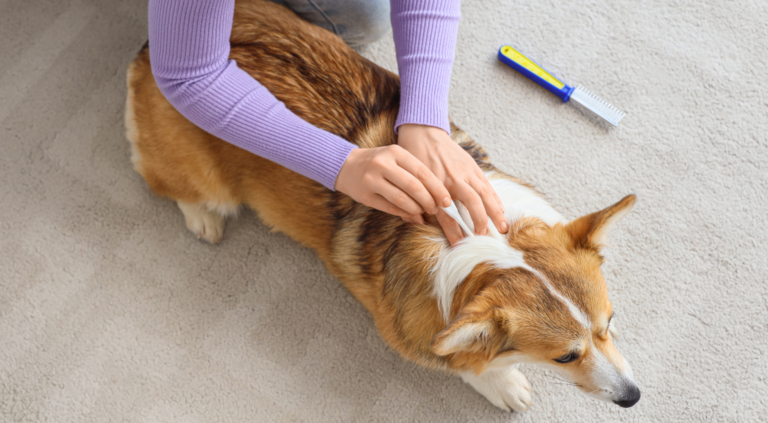
- Check paws weekly. Look for cracks, rough spots, redness, or foreign objects, and trim long hair between the toes.
- Use paw balm or wax if your vet recommends it, to help keep pads in good condition.
Protecting Your Support Animal
However, for many, a dog is much more than just a pet. And if you use an ESA or a trained psychiatric service dog for help during your daily routine, taking care of the dog’s paws and their health in general means taking care of yourself too. Take a simple dog first aid kit wherever you go, have your vet’s contact details handy, as well as the contact details of an emergency clinic, and examine the dog’s paws regularly.
If you are wondering whether your dog could qualify as an ESA or a psychiatric service dog, HealifyMedics connects you with licensed mental health professionals in your state for a genuine evaluation, and approval is always the clinician’s decision. Take a look at our pricing page, read our guides on getting a psychiatric service dog in Texas or Florida, or start your evaluation when you’re ready.
Final Thoughts
The formation of blisters on paws is usually very painful and mostly avoidable. Examine the surface on which the dog will be walking, clean the chemicals off the paws, gradually increase physical activity, and examine the paws regularly. If the dog gets a blister on his paws anyway, cool the paw, prevent licking, and consult your veterinarian.
Frequently Asked Questions
1. What causes blisters on a dog’s paw pads?
The most common causes are burns from hot pavement, chemical exposure such as ice melt or lawn products, and friction from rough surfaces. Less often, allergies, infections, or autoimmune skin conditions are behind recurring blisters.
2. Should I pop my dog’s paw blister?
No. An intact blister protects the raw tissue underneath, and popping it raises the risk of infection. Cool the paw, keep your dog from licking it, and let your vet decide what comes next.
3. Can I walk my dog with a blistered paw?
It’s best to rest the paw. Keep outings brief, on soft, clean surfaces, and avoid hot pavement, gravel, and long walks. If your dog won’t put weight on it, carry them outside and see a vet.
4. How long does it take for a dog’s paw blister to heal?
Mild cases may improve within one to two weeks, while deeper burns or infected blisters can take several weeks. Healing is slower on paws because pads carry body weight and are hard to protect.
5. How do I know if the pavement is too hot for my dog?
Press the back of your hand against the ground for no less than 5 to 7 seconds. The temperature is too high for a dog’s paws if you cannot comfortably hold your hand there. Artificial grass and dark asphalt may become extremely hot.
6. When is a paw blister a vet emergency?
A dog’s paw blister should be treated by a veterinarian urgently when it is large, open, or peeling; there is no visible pad, or it is discolored; a dog is unable to put weight on the affected paw; or there is swelling and/or discharge from the blister.