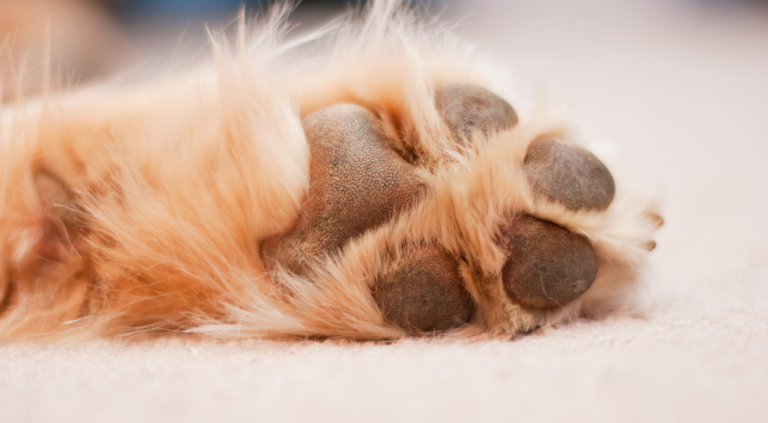

Your dog has returned from playing in the yard with a paw wound or small cut on its leg. You open up the medicine cabinet, see the tube of antibiotic ointment, and ask yourself – can I use it for my dog as well?
This is one of the most popular queries on pet first aid, and the straightforward answer is “sometimes and with caution.” This article covers the topic of when you can use specific types of ointments on your dog and how. It also lists ointments that should not be used and how to know that you must take your pet to a veterinarian now.
Quick Answer: Plain triple antibiotic ointment can be applied to a clean and shallow dog wound, but not licked. If you have a deep wound, a bite, puncture, or anything close to eyes, visit your veterinarian immediately.
Can You Put Antibiotic Ointment on a Dog?
Indeed, but only under the condition that it is the correct type of wound. The purpose of antibiotic ointment is to treat minor, clean, and superficial wounds, including:
- Superficial cuts and scrapes
- Light abrasions caused by pavement or trail contact
- Superficial paw pad scratches
The ointment does not act like a panacea. As it resides on top of the skin, it cannot work on infections that have already reached deeper tissues. Additionally, the greatest problem is always making sure that the ointment stays where you put it, given that dogs love to lick themselves.
Vets may have slightly different opinions about the use of antibiotic ointment. Most agree that using small amounts on small scrapes is safe, while some would ask you to give them a call first due to dogs’ allergic reactions to specific ingredients. It will never hurt to make a phone call.
Which Antibiotic Ointments Are Commonly Used on Dogs?
Triple antibiotic ointment (Neosporin and generics)
This is the medication that people normally grab. It is made up of three antibiotics, namely bacitracin, neomycin, and polymyxin B. This drug is applied as a thin film on a wound and is generally believed to be safe for use in dogs.
There are a couple of things that you should know:
- This product may contain neomycin, which some dogs may be allergic to. This can result in reddening, itching, or a rash where the medication has been applied. Neomycin may also lead to hearing loss, especially when it is injected into the body or taken in large doses, which is why many veterinarians may advise you to consult them before using this product.
- Try on a small patch if you are using this product on your dog for the first time. If there is irritation, discontinue the use of the medication.
- This is not eye ointment. Do not apply skin ointment on or near your dog’s eyes.
Bacitracin on its own
Plain bacitracin is another option some vets suggest for dogs that may react to neomycin. It covers fewer types of bacteria, but it can be enough for a small, clean scrape.
Veterinary and prescription options
For deeper or stubborn skin infections, your vet may prescribe a stronger topical or oral antibiotic chosen for your dog’s exact problem. These are not something to guess at or borrow from a human prescription.
Ointments and Products to Avoid
The label matters. Skip products that contain:
- Analgesics like lidocaine, benzocaine, or pramoxine. Numbing substances are designed to be used on humans and are licked by dogs. Select “original” antibiotic ointment.
- Corticosteroids like hydrocortisone. Steroids inhibit healing and worsen infection unless recommended by a veterinarian.
- Anti-fungal preparations. The drugs have a different application; they do not affect the bacterial wound.
- Hydrogen peroxide or alcohol on open wounds. Such substances harm the living cells and impair wound healing. Clean water is a more appropriate choice.
How to Apply Antibiotic Ointment to a Dog
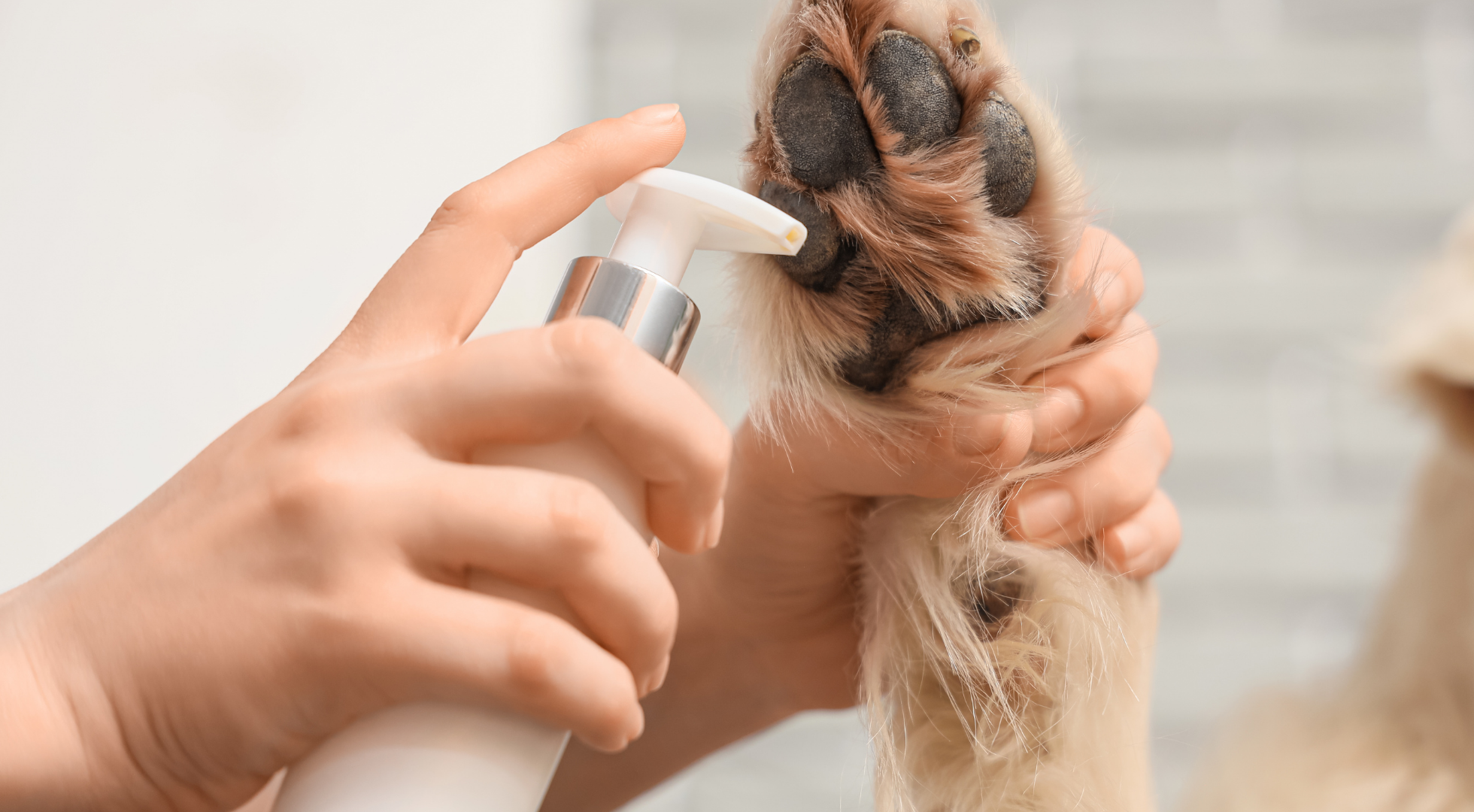
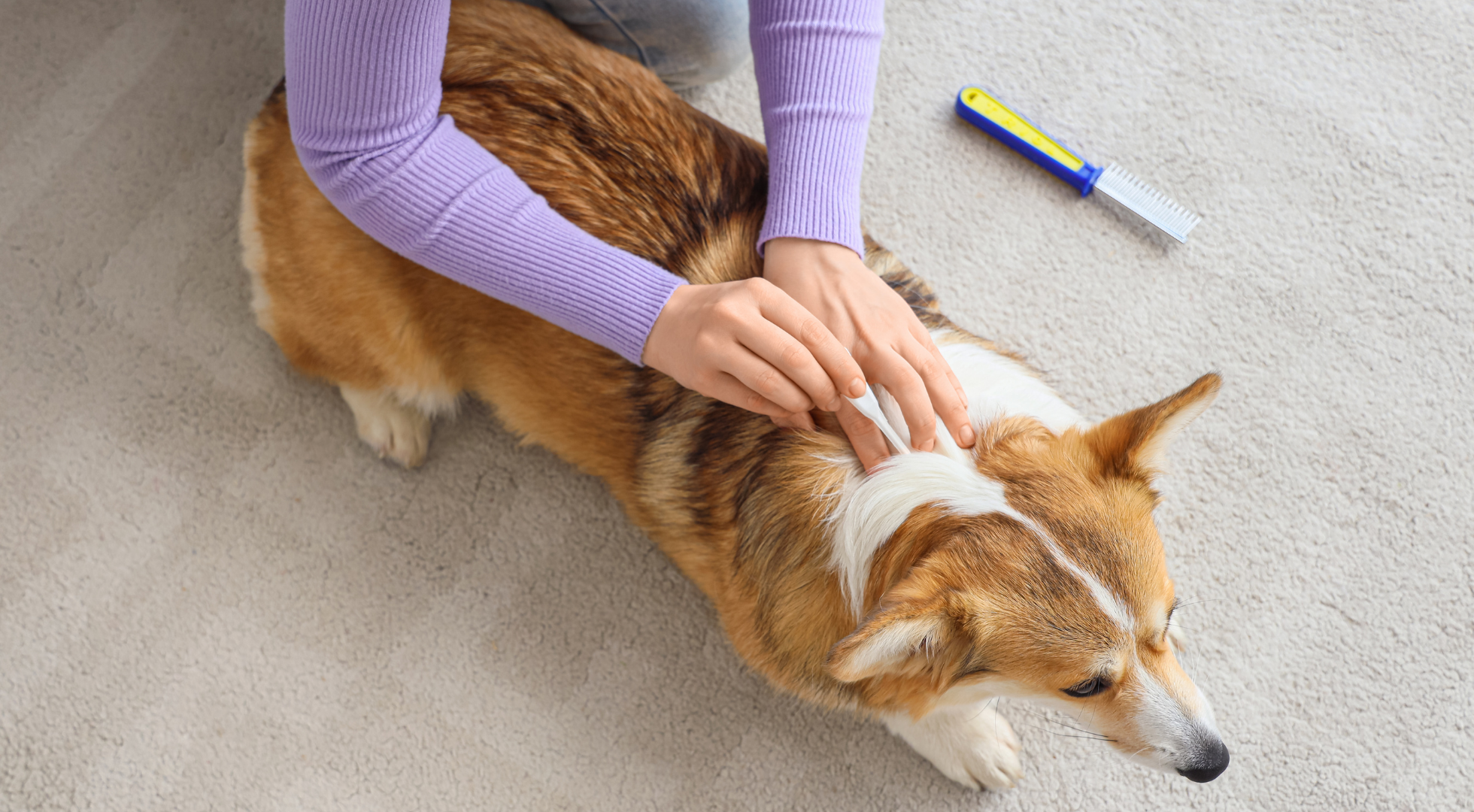
For a minor, clean scrape, here is a basic procedure:
- Be calm and seek help if necessary. Injured dogs tend to bite, so have someone else help restrain your dog if necessary.
- Rinse the wound with clean, lukewarm water or saline to clear the wound of dirt, then dry the affected area using a clean towel.
- Use blunt-end scissors to trim any hair near the wound site.
- Apply the ointment thinly using either a clean cotton swab or a clean finger. An excessive amount does not improve the healing process and may lead to additional moisture retention.
- Prevent licking the wound immediately using a cone or recovery collar.
- Inspect the wound on a regular basis, cleanse it, and apply more of the topical ointment. Usually, a minor scrape requires application of the product once or twice a day for several days.
How to Stop Your Dog From Licking the Ointment
If your dog licks the wound, the ointment comes off, and the area gets irritated. A little lick is unlikely to cause serious harm, though it can lead to an upset stomach, vomiting, or diarrhea. Call your vet if your dog swallows a large amount or seems unwell, and do not try to make your dog vomit unless a vet tells you to.
To help prevent licking:
- Cone (e-collar): The most reliable choice for most wounds.
- Soft or inflatable collar: More comfortable for some dogs.
- Light bandage: Works well on paws and legs, but change it as directed so the skin stays dry and healthy.
- Distraction: A chew toy or puzzle feeder can help while the ointment settles.
When to Skip the Ointment and Call the Vet
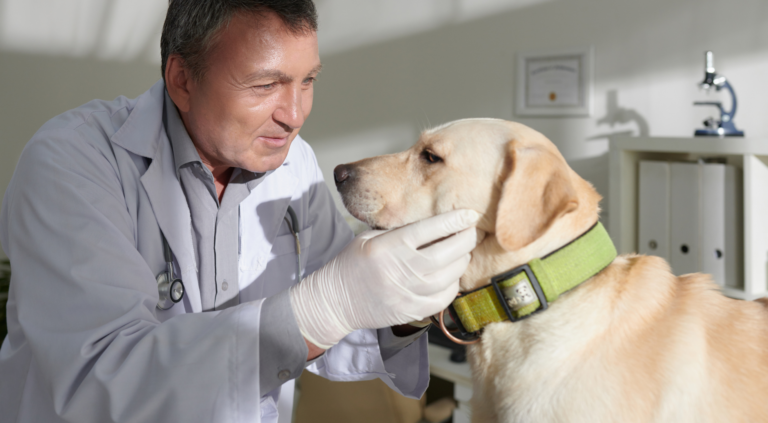
Home treatment should only be done for minor and simple wounds. You should contact your veterinarian immediately if:
- The wound is deep, big, ragged, or gaping
- It has been inflicted by a bite or a puncture, as bacteria may be hiding deep beneath the skin
- It is close to your dog’s eyes, mouth, ears, or genitals
- The bleeding does not stop after applying gentle pressure for several minutes
- There is swelling, heat, pus, odor, or redness spreading around the wound
- The wound seems to worsen after two to three days
- Your pet dog appears to be weak, feverish, stops eating, or is obviously in pain
- It is difficult for you to determine the cause of the wound and its depth
Puncture wounds can be complicated since a small opening on the skin may be covering up a serious problem beneath it.
Caring for Your Support Animal’s Health
To many people, a dog is more than just an animal. If you depend on your emotional support animal or psychiatric service dog to give you comfort throughout your day, taking care of their health is a means of taking care of yourself. Always carry a dog first aid kit at all times, save your vet’s contact details on your phone, and ensure that your dog’s medical records are up to date.
If you are wondering whether your dog could qualify as an ESA or a psychiatric service dog, HealifyMedics connects you with licensed mental health professionals in your state for a real evaluation. Approval is always up to the clinician. You can check our pricing page, read our guides on how to get a psychiatric service dog, or start your evaluation whenever you are ready.
Final Thoughts
Application of a thin layer of non-prescription antibiotic ointment may be used as a dog first aid treatment in case of a minor injury but cannot replace veterinary care. Choose the one that does not contain any medication or steroid, prevent your dog from licking the medicine, and observe the area closely. If the situation looks alarming, consult a vet.
Frequently Asked Questions
1. Can I put antibiotic ointment on my dog?
Yes, a thin layer of plain triple antibiotic ointment is commonly used on minor, clean scrapes. Do not use it on deep wounds, bites, or punctures. If you are unsure, call your vet first.
2. Is Neosporin safe for dogs?
In small amounts on minor wounds, it is generally considered acceptable. Some dogs react to neomycin, and neomycin has been linked to hearing issues in larger doses. Choose the plain version and check with your vet if your dog has allergies.
3. What happens if my dog licks antibiotic ointment?
A small lick is unlikely to cause serious harm, but it may cause vomiting or diarrhea. Larger amounts require a call to your vet. Use a cone or bandage so the ointment stays on the wound.
4. Can I use Neosporin with pain relief on my dog?
It is best to avoid it. Numbing ingredients such as lidocaine, benzocaine, and pramoxine are not meant for dogs, who often lick the area. Stick with a plain antibiotic ointment unless your vet says otherwise.
5. How long should I use antibiotic ointment on a dog’s wound?
In case of a small injury, treatment for a couple of days at intervals of once or twice daily is usually enough. However, if there is no improvement after two or three days or even a deterioration in the condition of your dog, it means that you should visit your vet immediately.
6. When should I take my dog to the vet instead?
Take your dog to the vet clinic when he/she has a serious injury, wound, puncture, bite, or a wound in the area around his/her eyes, or when there are symptoms of infections such as inflammation, pus, or a bad smell.