
As you snuggle with your dog on the sofa, you spot something unfamiliar – an inflamed, reddish lump near the margin of one eyelid. Your dog continues blinking and scratching the affected eye. Panic sets in, followed immediately by the same question everyone has about anything concerning the eye: Is this a stye, and what do I do?
Don’t worry because most eyelid lumps in dogs are nothing serious. The bad news is that not all lumps on the doggy eyes are styes, and the eye area is very sensitive. This article outlines everything you need to know about dog eye stye including what it is, distinguishing it from other lumps, what you can do at home, and when it’s time to see your vet.
Quick Answer: A stye is a painful, red, infected growth in the eyelid margin of a dog. Styes can be eased with warm compresses, but should never be popped. Since other eyelid masses look like styes, it’s important for you to bring your pet to the vet if there is a new bump found, especially in aging dogs.
What Is a Dog Eye Stye?
Hordeolum, or stye, is an infection of either a gland or hair follicle at the edge of the eyelid. A stye commonly presents itself as a reddish, swollen, and painful lump with or without a small white or yellow spot in it, resembling a pimple.
There are minute oil glands on the edges of the eyelids known as meibomian glands. Meibomian glands secrete an oily substance to prevent tear evaporation and ensure that the eye stays comfortable. Once these glands are blocked, a lump appears. Upon bacterial invasion of the blocked gland, an infected and painful stye develops.
A stye can occur in both upper and lower eyelids, and it may develop on both the outer and inner eyelid surfaces.
Stye or Something Else? Common Eyelid Lumps in Dogs
This is where many dog owners fall short in diagnosis. Eyelid lumps have a variety of appearances, each one being treated entirely differently.
- Stye (hordeolum): Infected eyelid gland. Usually red, swollen, warm, and painful; develops relatively quickly.
- Chalazion: Non-infected blocked meibomian gland. Develops more slowly than stye and is firm; is sometimes non-painful.
- Meibomian gland adenoma: Benign neoplasm of the eyelid gland. This is one of the most common eyelid lumps, especially in middle-aged and senior dogs. Usually, it is pink or nodular and may require removal due to rubbing against the eyeball.
- Papilloma (wart): Small, rough, whitish growth of the eyelid gland, usually caused by viruses. More common in younger dogs; may regress on its own.
- Other masses: Sometimes, eyelid lumps may be more serious tumors. This is rare, but it is the reason you should bring your pet to the veterinarian.
You cannot accurately diagnose these conditions just by looking at a photograph online. Neither can the vast majority of pet owners.
What Causes a Stye in a Dog?
Styes are commonly caused by the entry of bacteria, especially staphylococci, into a blocked or inflamed eyelid gland. These conditions can result from a variety of causes:
- Blocked glands. Grime, dirt, and thickened oil could block an opening.
- Scratching or rubbing. Scratching the eyes or rubbing against carpet could inflame the skin and cause bacterial entry.
- Allergies. Inflammation of the skin surrounding the eyes makes the area more susceptible to infection.
- Eye discharge accumulation. The accumulation of crusty and wet hair around the eyes harbors bacteria.
- Weak immune systems. Puppies, seniors, and sickly dogs, or those on immunosuppressants are more susceptible.
- Facial shape. Dogs with big eyes like Pugs, Shih Tzus, and Bulldogs are at higher risk for these kinds of problems. Also, breeds with heavier eyelid structure, like certain spaniels.
Overall, eyelid gland lumps tend to be more common in older dogs, so any new growth in an old dog is worthy of consideration.
Symptoms of a Stye in a Dog’s Eye
Watch for:
- A red, pink, or pale bump on the edge of the eyelid
- Swelling of the lid or the area around the eye
- Squinting or holding the eye partly closed
- Pawing at or rubbing the eye
- Watery or crusty discharge
- Pain when the area is touched
- Redness of the eye itself
If you see cloudiness, a bluish haze, heavy green or yellow discharge, or your dog can’t open the eye, treat that as an eye emergency rather than a simple stye.
Home Care: What You Can Safely Do
If your vet agrees it’s a minor bump, or while you’re arranging an appointment, gentle care can keep your dog comfortable.
Warm compresses
Warm compresses are the classic first step. They can help soften a blocked gland and encourage it to drain on its own.
- Soak a clean, soft cloth in comfortably warm water. Test it on the inside of your wrist first. It should feel pleasantly warm, never hot.
- Wring it out so it’s damp but not dripping.
- Hold it gently against the closed eyelid for about 5 to 10 minutes.
- Repeat a few times a day, as advised by your vet.
- Use a fresh, clean cloth each time.
If your dog finds this painful or won’t tolerate it, stop. Forcing it will only stress your dog and could injure the eye.
Keep the area clean
Gently wipe away discharge with a clean, damp cotton pad, moving from the inner corner of the eye outward. Use a fresh pad for each wipe and for each eye so you don’t spread bacteria.
Stop the rubbing
If your dog keeps pawing at the eye, a cone (e-collar) can prevent self-injury while the area heals.
What NOT to Do
- Don’t squeeze, pop, or lance the bump. This can push infection deeper, cause pain, and damage the delicate eyelid or the eye.
- Don’t use human eye drops or ointments. Some contain ingredients, such as steroids, that can make eye problems worse. Never put skin ointments in or near the eye. For more on what’s safe for minor skin wounds elsewhere on the body, see our guide to antibiotic ointment for dogs.
- Don’t give human pain relievers. Many are dangerous for dogs.
- Don’t wait indefinitely. If it isn’t improving, it needs a professional look.
When to See a Vet
It’s wise to have your vet check any new eyelid bump, since the right treatment depends on what it actually is. Go promptly if:
- The bump is large, growing quickly, or very painful
- The whole eyelid is swollen, hot, or red
- The eye itself is red, cloudy, or watery, or your dog is squinting heavily
- There is thick yellow or green discharge
- The bump bleeds or looks irregular or crusty
- Your dog is an older dog with a new lump
- Your dog is a puppy
- The bump hasn’t improved after a few days of care, or it keeps coming back
- It’s rubbing against the surface of the eye
Any signs of eye pain, vision changes, or sudden swelling should be seen the same day, because eye problems can worsen quickly.
How a Vet Diagnoses and Treats a Stye
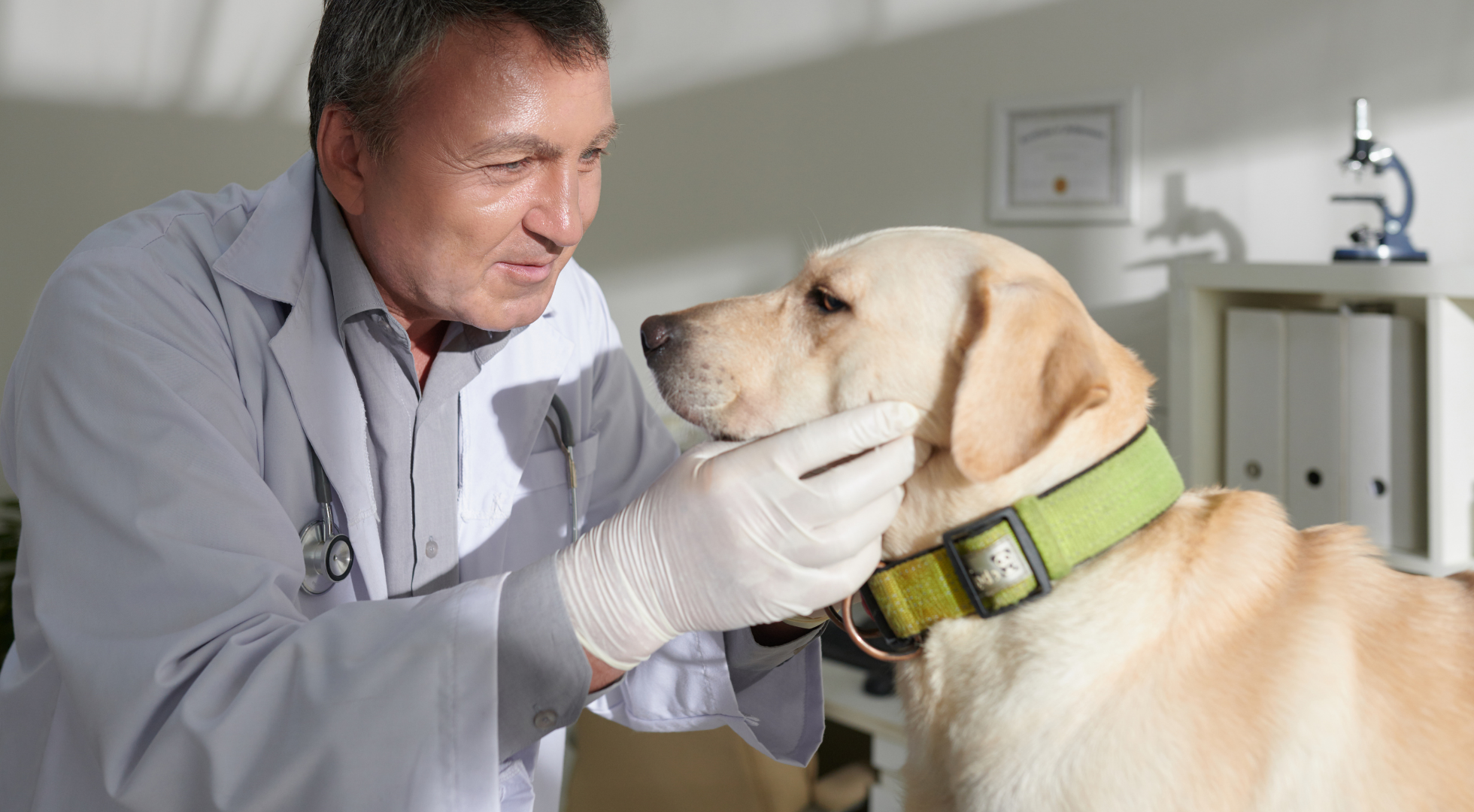
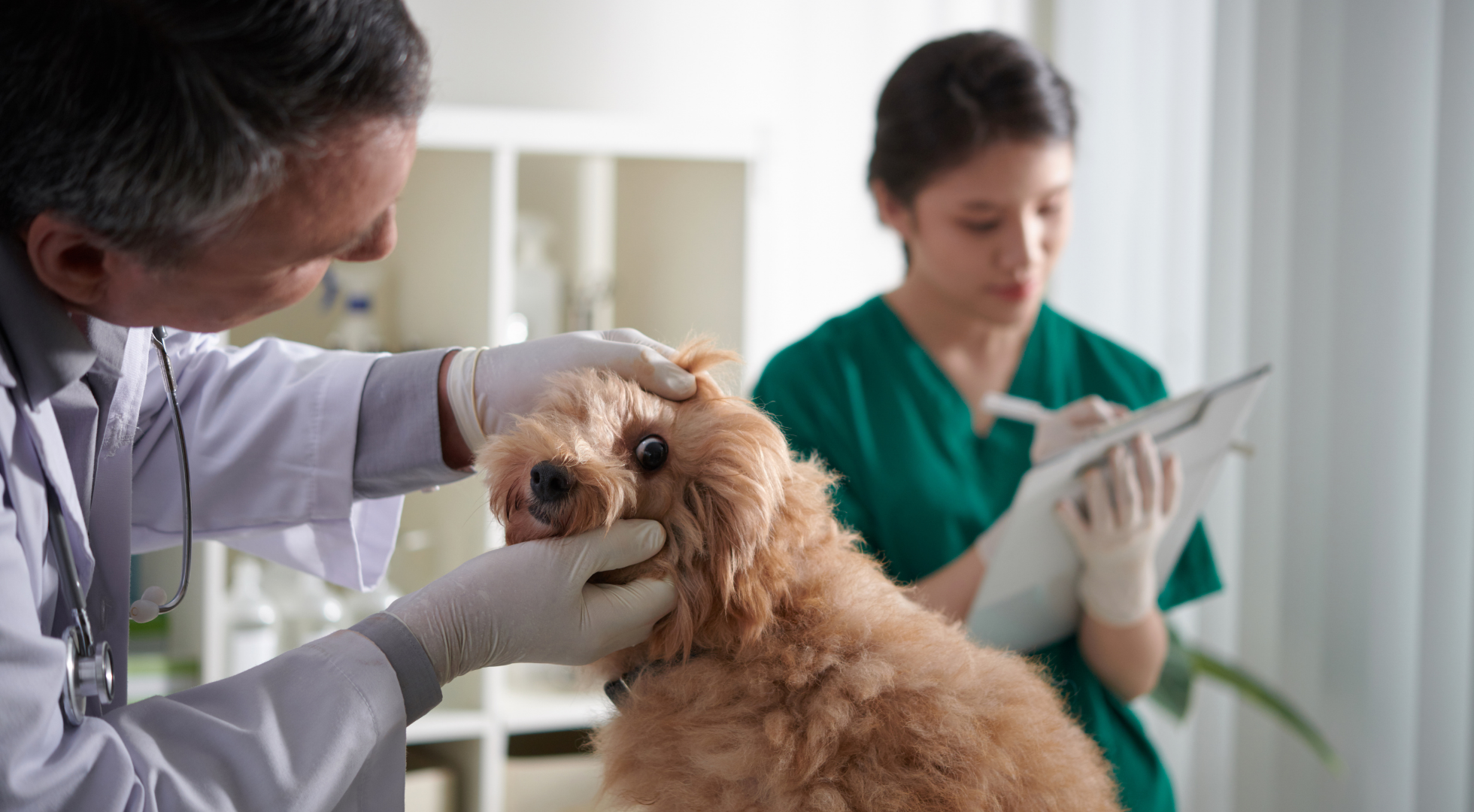
Your vet will examine the eyelid, often with magnification, and check the eye itself for scratches or other damage. They may stain the eye to look for corneal injury. Depending on what they find, treatment may include:
- Warm compresses and gentle massage as part of home care
- Antibiotic eye drops or ointment made for dogs
- Oral antibiotics in more serious or spreading infections
- Anti-inflammatory or pain medication to keep your dog comfortable
- Draining the stye in the clinic if it doesn’t resolve
- Surgical removal of a persistent chalazion, a growing adenoma, or any mass that irritates the eye
- Biopsy of a lump that looks unusual
Many eyelid lumps in dogs carry a good outlook, especially when they’re checked and treated early.
How Long Does a Stye Take to Heal?
Mild styes may improve within a week or two with proper care, and some resolve on their own. A stye that isn’t getting better, is getting worse, or keeps returning needs veterinary attention. A chalazion or adenoma will typically not go away with compresses alone.
Can You Prevent Eye Styes in Dogs?
While you cannot stop them from occurring, you can reduce the chances of developing them by practicing the following:
- Inspect your dog’s eyes on a regular basis. Good eyes will appear bright and clear with little to no discharge.
- Gently wipe out any discharge from the eyes daily, particularly if your dog tends to have teary eyes or if he is a breed that has tear stains.
- Trim away the hair near the eyes.
- Control allergies with your vet’s advice.
- Clean your dog’s face and his bed.
- Prevent him from rubbing his eyes if irritated with a cone.
Caring for Your Support Animal’s Health
For many people, a dog is more than a pet. If your dog is an emotional support animal (ESA) or a trained psychiatric service dog, their comfort and health are tied to your own well-being. Keep your vet’s number and a 24-hour emergency clinic saved in your phone, and make a quick eye and paw check part of your routine. Our guide to dog paw blisters covers another common issue worth watching for.
If you’re wondering whether your dog might qualify as an ESA or psychiatric service dog, HealifyMedics connects you with licensed mental health professionals in your state for a genuine evaluation, and approval is always up to the clinician. You can see current costs on our pricing page, read our guides to getting a psychiatric service dog in California or Texas, or start your evaluation whenever you’re ready.
Final Thoughts
Your dog may have an infection around his eyelid known as a stye, which is a small issue but needs professional attention because there are many other types of lesions around the eye and the eye is very sensitive. Apply warm compresses if the vet says you can, do not try to pop the lesion, and make sure your dog does not touch his eye.
Frequently Asked Questions
1. Can dogs get styes in their eyes?
Yes. A stye is an infected gland or hair follicle on the eyelid edge. It looks like a red, painful bump. It can happen at any age, though eyelid gland lumps become more common as dogs get older.
2. How do I treat a dog stye at home?
Apply a clean, comfortably warm, damp cloth to the closed eyelid for 5 to 10 minutes a few times daily, if your dog tolerates it. Never squeeze it, and don’t use human eye drops. See your vet if it doesn’t improve.
3. Will a dog stye go away on its own?
Some mild styes improve within a week or two with warm compresses. But a worsening, painful, or recurring bump needs a vet. Other eyelid lumps can look like a stye and won’t resolve with home care.
4. How can I tell a stye from a tumor?
You can’t reliably tell by looking. Styes tend to be red, tender, and appear over days, while growths are often firm and slow-growing. Most eyelid growths are benign, but a vet should examine any new lump.
5. Is a stye in a puppy an emergency?
Not usually an emergency; however, dogs are recommended to visit the veterinarian and not opt for self-treatment. Their immune system is underdeveloped, and eye diseases develop rapidly. Visit on the very same day in case the eye appears cloudy and painful.
6. Can I put human eye drops or Neosporin on my dog’s stye?
Absolutely not! Human eye drops may include some components that will damage a dog’s eye, and any skin medications should never be applied around the eye area.